 Français
 English

.png)

 detoure-HD-.png)
 AXES DYNAMOMETRIQUESPOUR PORTIQUE TGP
 LIMITATION DE CHARGESur un équipement de levage par ventousesApplications typiques

- Limiteur de charge (PL d)SAFETY-BOYCertifié pour la sécurité fonctionnelle des ponts-roulants et gruesNiveau de performance PL d suivant EN ISO 13849-1 / « SIL 3 ready »Applications typiques


 Manille dynamométrique sans filManille instrumentée ou boite à coin instrumentée également disponibles avec transmission wirelessApplications typiques


CAPTEUR DE FORCE À APPUI CENTRAL
Pesage en vrac et transmission sans filApplications typiques


- CAPTEURS DE FORCE ÉTALON ISO376
- détouré-retourné.png)

 Applications typiques

CAPTEUR DE FORCE ANNULAIRE SUR MESURE
Adapté à un environnement mécanique restreintApplications typiques


 Découvrez nous en vidéoSENSY RECRUTE PLUSIEURS PROFILS
Capteur embarqué
pour des avions, hélicoptères, drones ou autres équipements aéronautiquesApplications typiques


CAPTEURS DE FORCE ET COUPLEMÈTRES SUR MESURE
Adaptabilité et flexibilité du corps d'épreuveApplications typiques


Axe dynamométrique
miniatureCompact, robuste et résistant à des environnements difficiles.
(Diamètre à partir de 7mm)Applications typiques

Axe dynamométrique
immergeableProfondeur jusqu’à -7500 m / -24 606 ft (750 bars / 11 000 psi)Applications typiques


Capteurs de force
et couplemètresCapacités de 10 N (1kg) à 50 MN (5000 t)
Capacités de 1 Nm à 1000 kNmStandard et sur mesure* Disponible pour les modèles: 5000, 5100, 5300, 5600, 5560, 2600, 2960


Etude de cas
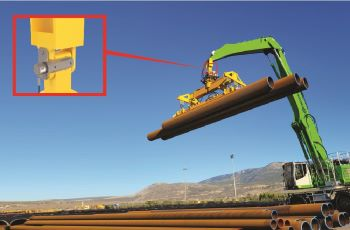
Limitation de la charge sur les...
Conception d'un système de limitation de charge pour un client utilisant la technique du levage...
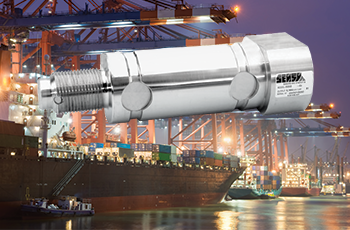
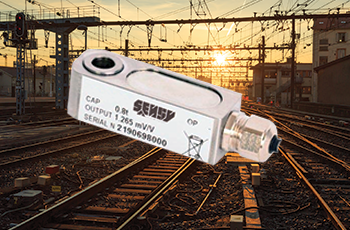
Capteur de force annulaire miniature sur...
Développer un capteur de force dont les dimensions sont compatibles avec l’environnement...
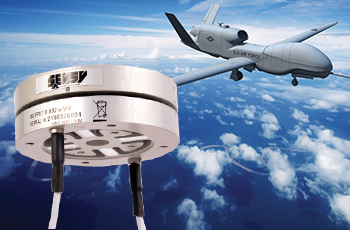
Capteur embarqué pour des avions,...
Dans le cadre de l’une de ses études, notre client a souhaité mesurer et enregistrer...
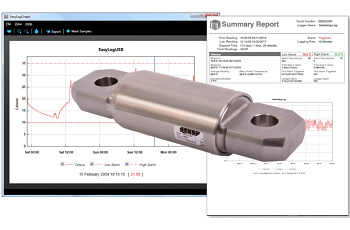
Capteur de force avec data-logger intégré
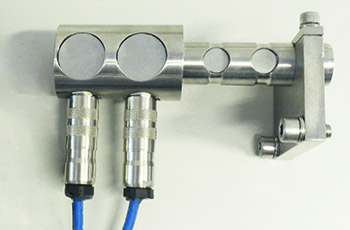
Un capteur de force en traction sur mesure dont les dimensions sont adaptées à la mécanique...
Axes dynamométriques SIL3 "ready"
Nos axes dynamométriques 5000, 5300, 5600 peuvent désormais être conformes aux exigences PL (...
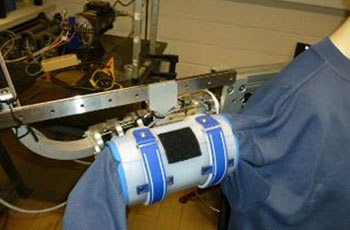
SENSY aide à la revalidation
A la demande et en collaboration avec le pôle MCTR de l’Ecole Polytechnique de l’UCL...
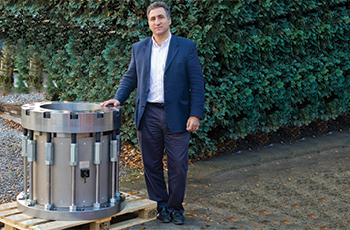
Capteur étalon : 30MN
SENSY a fabriqué un capteur de force étalon de haute précision et de grande dimension.
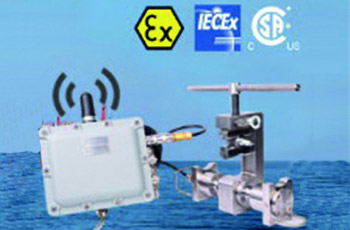
Transmission de mesure de force sans fil...
Adapter l’interface de nos capteurs de force aux contraintes du terrain, c’est le challenge que...
Capteurs pour l'aérospatial : le cas de la...
C’est parti pour la « petite » fusée européenne VEGA de l’agence spatiale européenne (ESA).
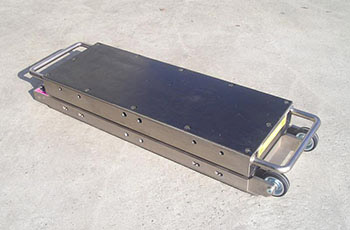
SENSY met un frein aux véhicules dangereux
Sensy a développé un plateau dynamométrique bidirectionnel afin d’analyser les performances des...
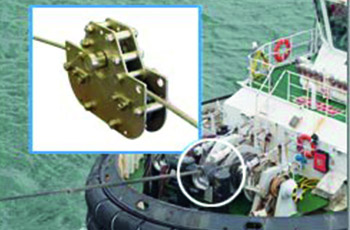
Tensiomètres déroulants 5580
SENSY fabrique et conçoit une large gamme de capteurs standard et sur mesure capables de mesurer...
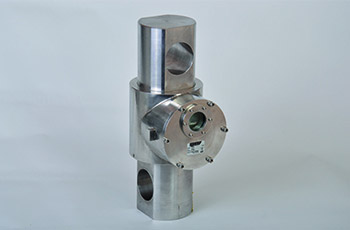
Capteurs de force submersibles
Sur tous les capteurs de force que nous fabriquons, nous apportons une attention particulière...
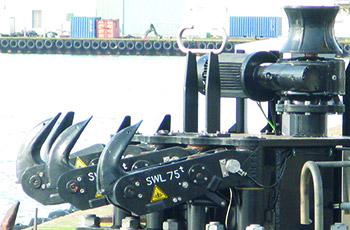
Mesure de force sur croc d’amarrage à...
SENSY a fourni à un fabricant de crocs d’amarrage à décrochage rapide une solution complète de...
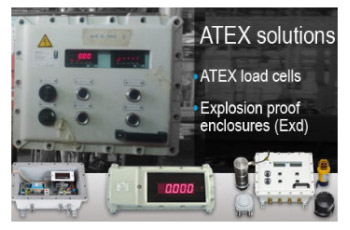
Les solutions SENSY au cœur des...
Pour répondre à la demande croissante de l’Industrie concernant la mesure en ambiance explosive,...
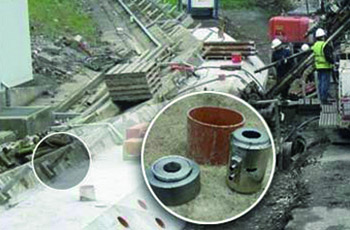
Instrumentation d'ouvrages d'art
Nos capteurs de force sont utilisés dans beaucoup de domaines différents. L’industrie, la...